


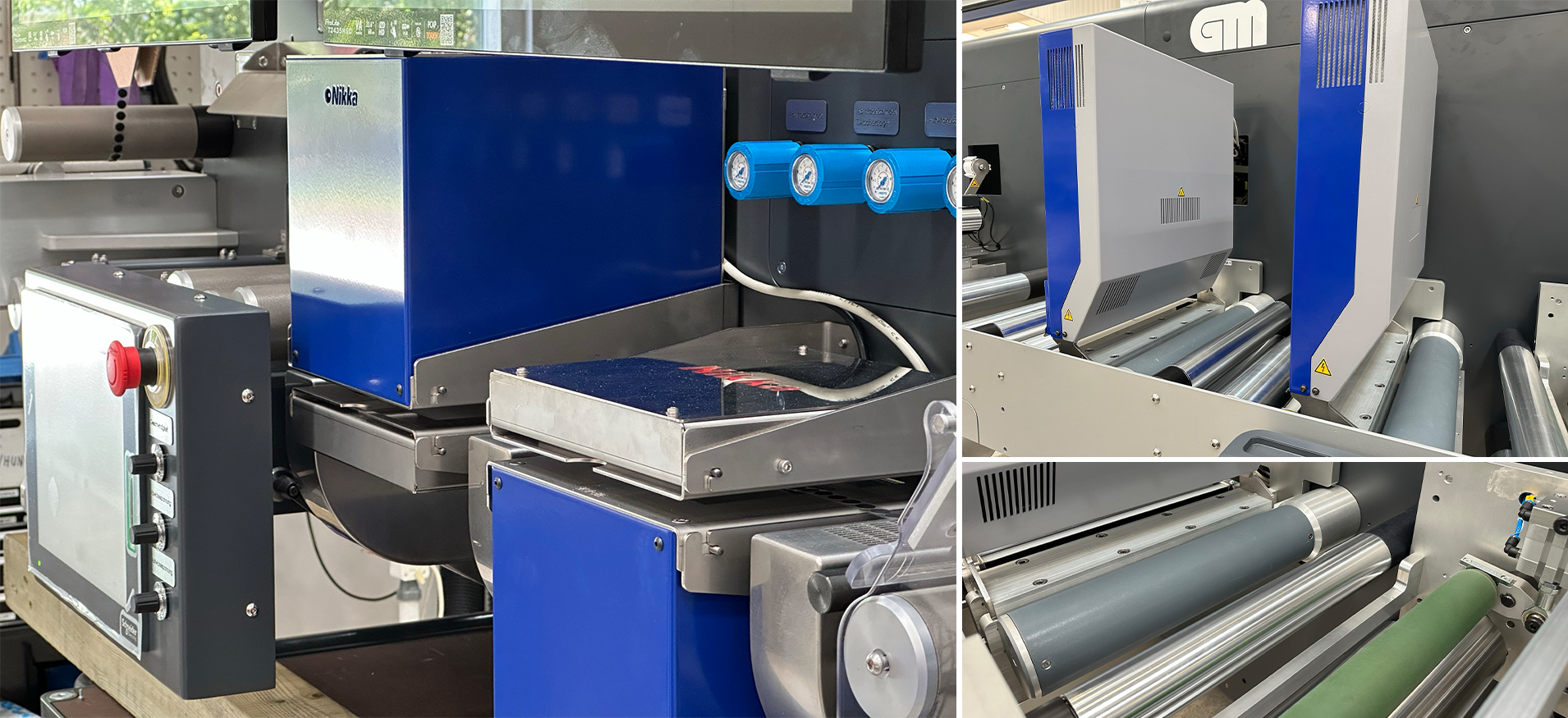

In the roll-to-roll production of functional materials, inspection systems are integral for ensuring product quality and reliability. One widely utilized inspection system is vision-based inspection, which employs high-resolution cameras positioned along the production line to capture images or videos of the moving web. These visuals are then processed using computer vision algorithms to detect defects such as scratches, cracks, particles, or pattern irregularities. Advanced image processing techniques, including edge detection, pattern recognition, and defect classification, are applied to analyze the collected data and make real-time quality assessments. Identified defects can trigger alarms or automated actions for immediate correction or material diversion.
In addition to visual inspection, various sensing technologies are employed to monitor critical process parameters. For instance, sensors are utilized to measure material thickness, color, conductivity, and other pertinent properties. These measurements are then compared against predefined specifications, guaranteeing that the material adheres to the necessary standards.
Sensors also play a pivotal role in overseeing variables like temperature, humidity, tension, and pressure to maintain ideal process conditions and proactively address any potential issues that could impact the quality of functional materials.
The advantages of incorporating inspection systems in roll-to-roll production are substantial. These systems play a pivotal role in waste reduction and scrap minimization by promptly identifying defects in the early stages of production, thereby reducing the volume of defective material reaching the final product. Furthermore, by ensuring consistent quality, inspection systems bolster customer satisfaction and enhance the overall efficiency of the manufacturing process.
Advanced inspection systems are indispensable in the roll-to-roll production of functional materials. By harnessing vision-based inspection and cutting-edge sensing technologies, these systems facilitate real-time data processing to detect defects, monitor crucial process parameters, and ensure unswerving quality across the production line. Their crucial role lies in reducing waste, enhancing efficiency, and maintaining superior product standards in the ever-evolving landscape of continuous manufacturing.


